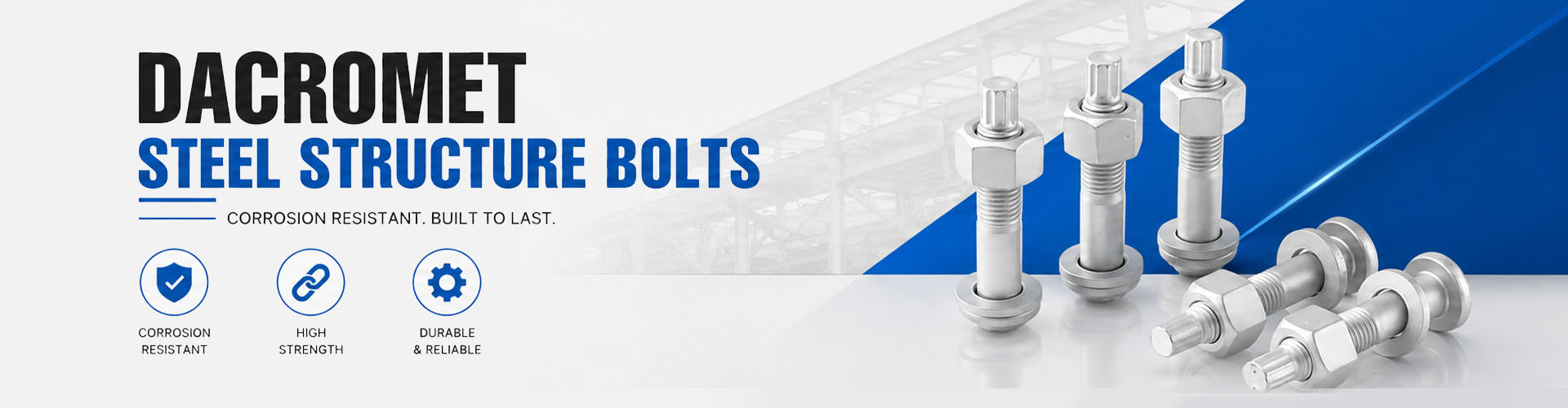


High-Strength Structural Bolts are core fasteners in modern steel structures, bridges, towers, and large equipment foundations. Their primary function in friction-type connections is to generate sufficient friction between layers through high preload to transfer loads. A complete set of High-Strength Structural Bolts typically consists of a bolt, a nut, and two washers (or one washer, depending on the standard). The connection pair must be supplied as a whole to ensure a stable torque coefficient. In high-rise building beam-column joints, stadium trusses, railway bridges, and wind turbine towers, High-Strength Structural Bolts have largely replaced field welding and ordinary bolt connections. Using High-Strength Structural Bolts not only improves installation speed but also gives the structure better ductility and ease of disassembly and maintenance.
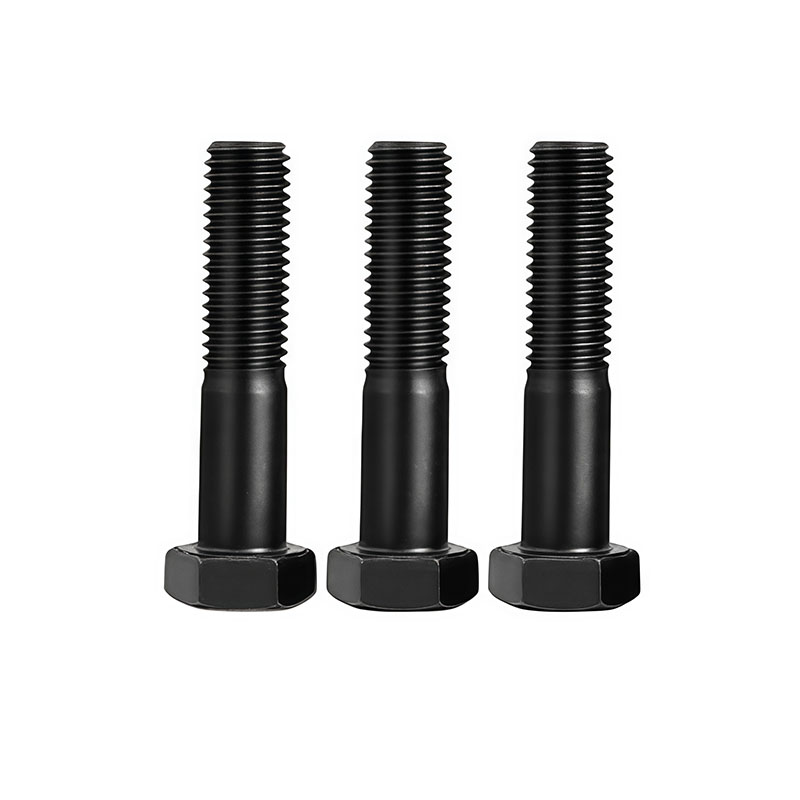
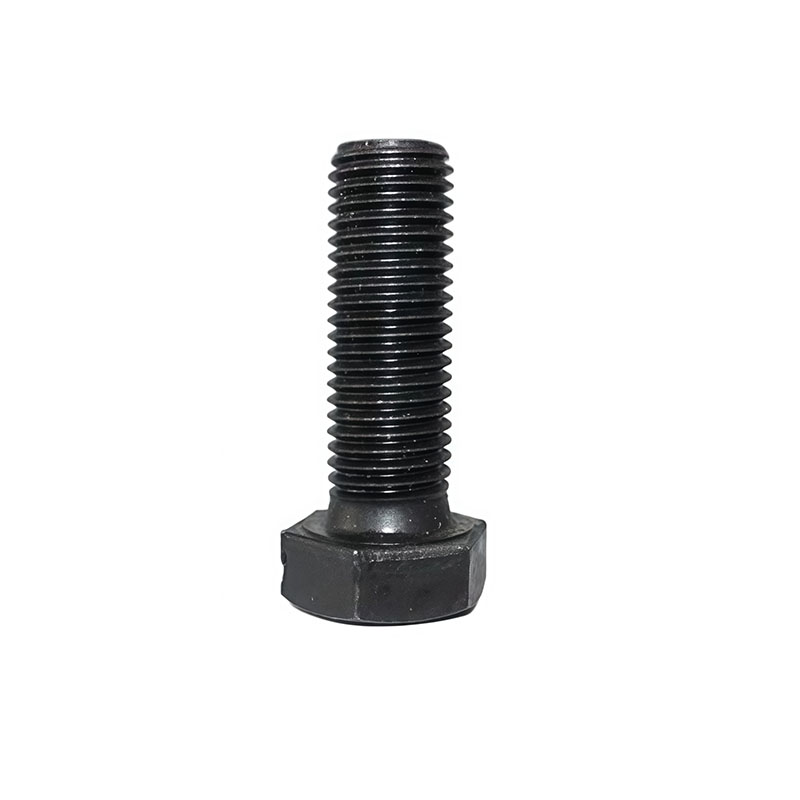
High-strength hex bolts are among the most widely used fasteners in mechanical equipment, heavy structures, and infrastructure. These high-strength hex bolts are manufactured from high-quality alloy steel through rigorous heat treatment (quenching and tempering). They feature a standard hexagonal head, facilitating high-precision, high-torque tightening using open-end wrenches, box wrenches, or socket wrenches. In wind turbine generators, pressure pipeline flanges, metallurgical equipment, and bridge joints, they convert torque into preload, creating a powerful clamping effect on the connection. Compared to ordinary bolts, high-strength hex bolts maintain more stable connection reliability under dynamic and impact loads, making them an irreplaceable fastening solution for many critical components.
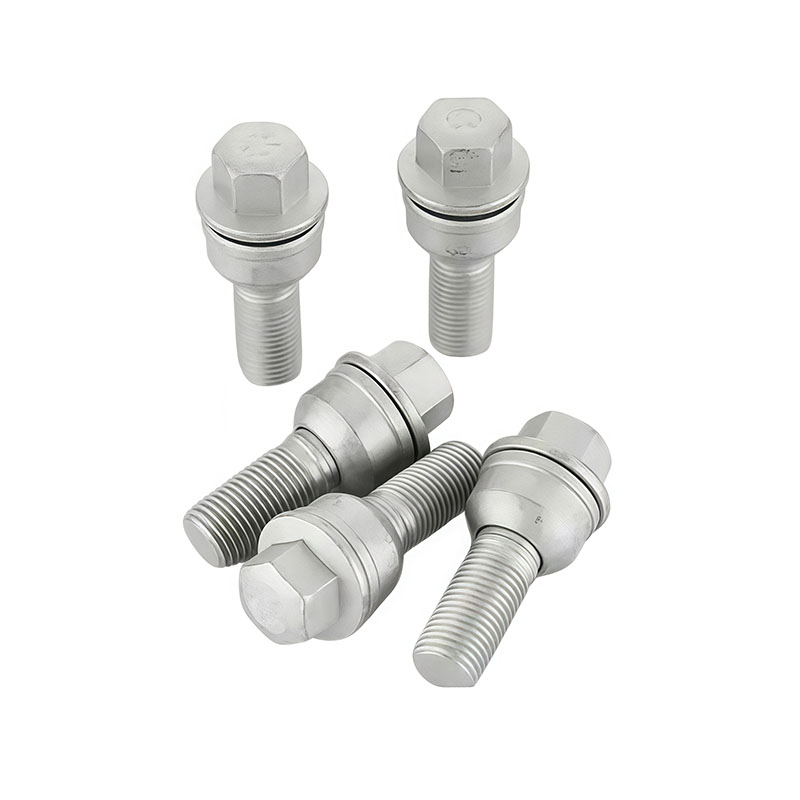
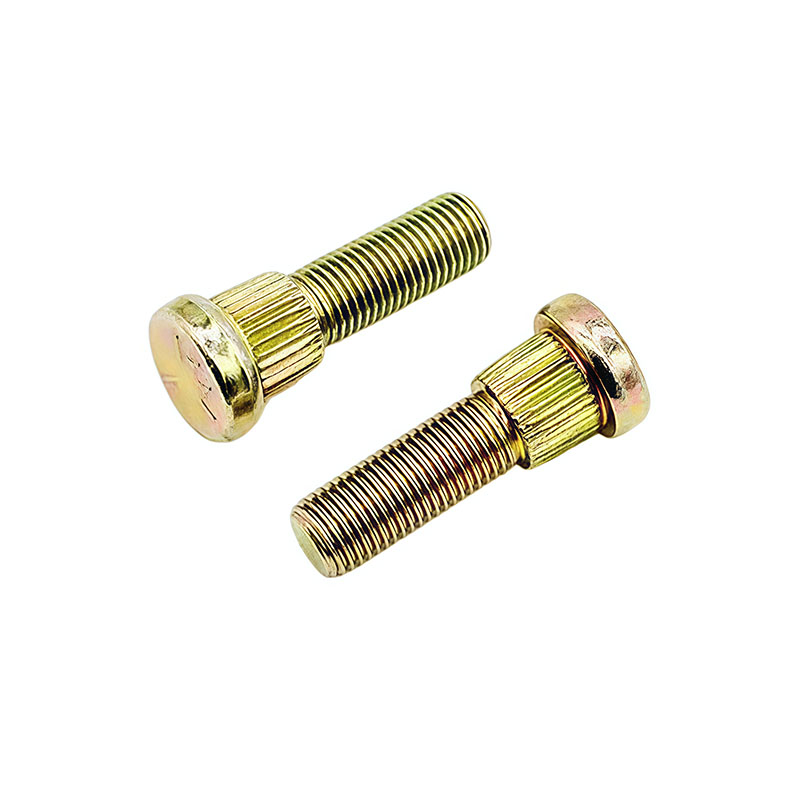
Hot-dip galvanized wheel bolts are designed for vehicle wheel connections exposed to prolonged conditions such as dampness, de-icing salt, or marine climates. Suitable for commercial vehicles, agricultural machinery, construction equipment, and military vehicles, hot-dip galvanized wheel bolts effectively resist corrosion from road salt spray, mud, and chemical corrosive media. While traditional electro-galvanized wheel bolts develop red rust within months in harsh environments, hot-dip galvanized wheel bolts, with their thicker zinc and alloy layers, can remain corrosion-free for years. These hot-dip galvanized wheel bolts are particularly widely used in mining dump trucks, port transport vehicles, and coastal sanitation vehicles, making them an important choice for improving wheel connection safety and reducing maintenance frequency.
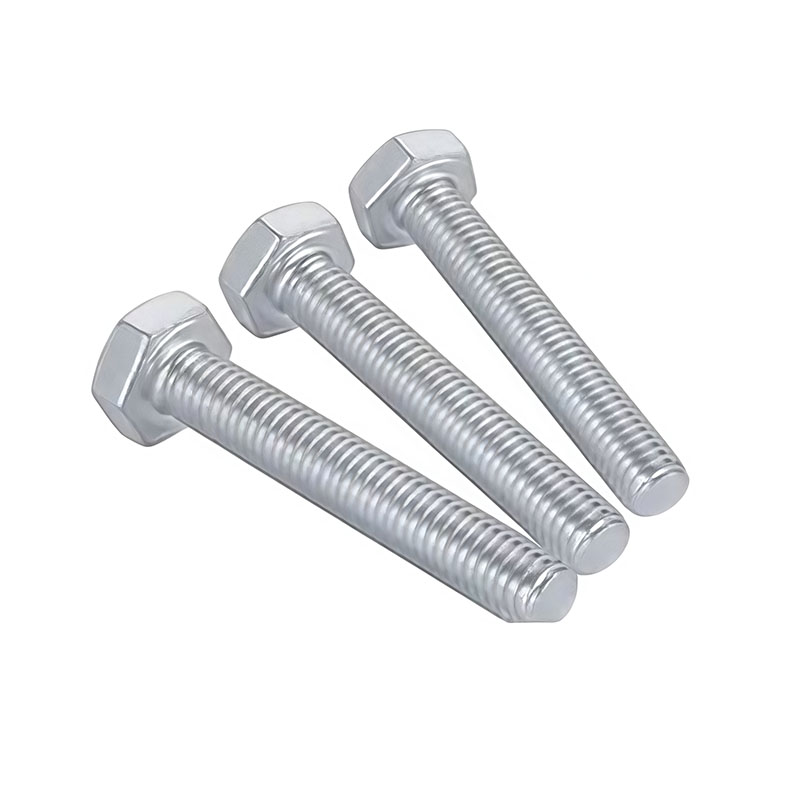
Hot-Dip Galvanized Bolts are corrosion-resistant fasteners made from ordinary high-strength or carbon steel hexagonal bolts, treated with a hot-dip galvanizing process. These Hot-Dip Galvanized Bolts are widely used in steel structure connections exposed to corrosive environments, such as outdoor power transmission line towers, communication base stations, streetlight poles, traffic signal brackets, and chemical platforms. By immersing the bolts in molten zinc, a dense zinc-iron alloy layer and a pure zinc layer are formed on the surface of the Hot-Dip Galvanized Bolts, providing cathodic protection to the substrate. Compared to ordinary painted or electroplated galvanized bolts, Hot-Dip Galvanized Bolts have a longer service life in humid, salt spray, and industrial atmospheric environments.
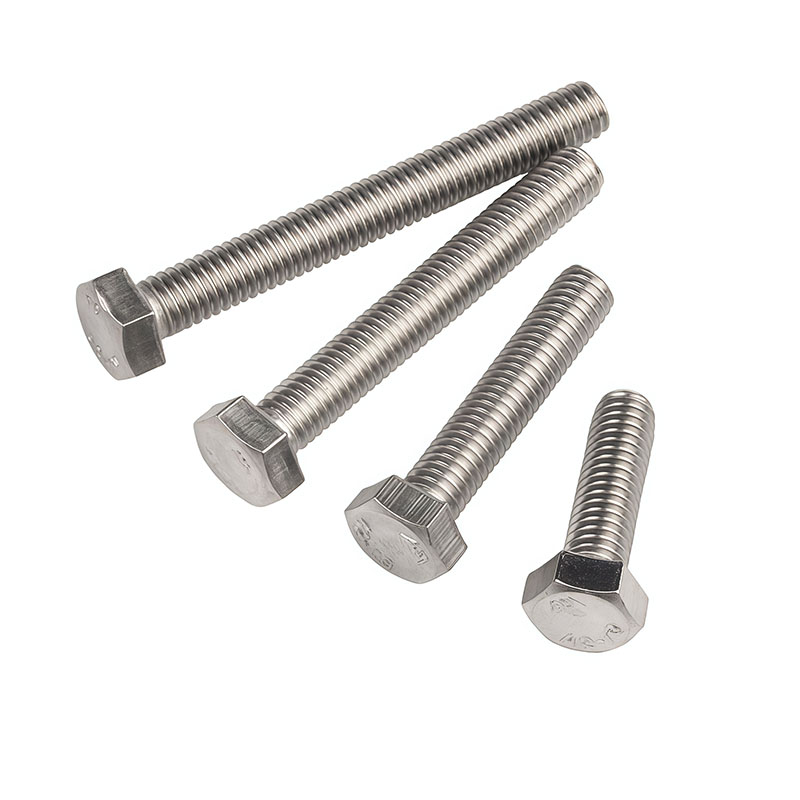
Stainless steel hex bolts are hexagonal head fasteners made from stainless steel, inherently possessing excellent rust resistance. These stainless steel hex bolts are widely used in food machinery, medical equipment, outdoor facilities, marine hardware, and bathroom fixtures—applications where rust prevention is critical and coating is inconvenient. Unlike ordinary carbon steel bolts with surface treatment, the rust resistance of stainless steel hex bolts comes from the material itself; they do not rust even after surface scratches and remain shiny and new even after long-term use.
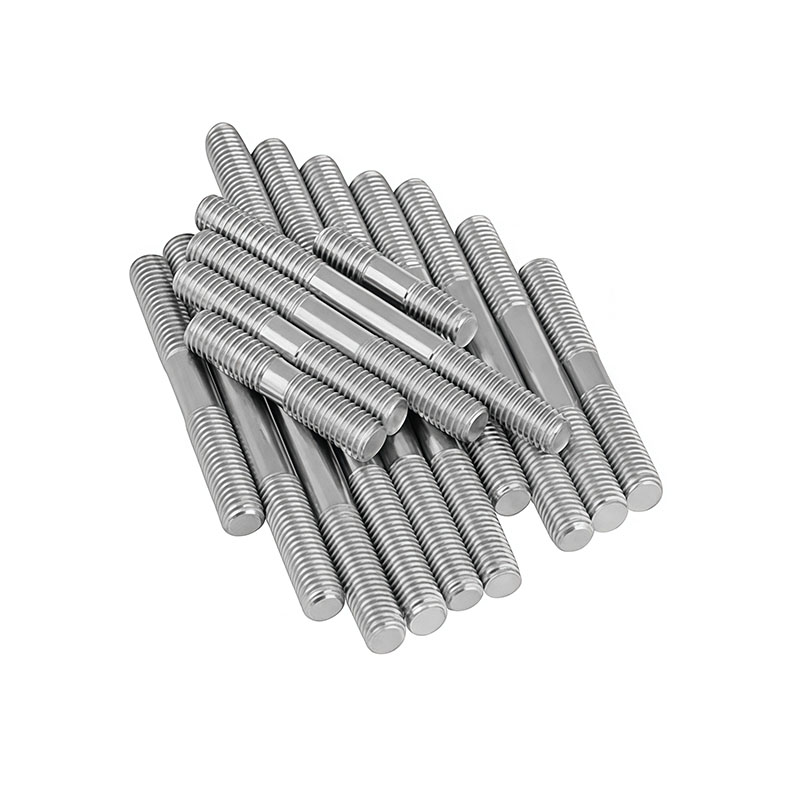
Hot-dip galvanized double-ended bolts are used in outdoor flange connections, pipe supports, sewage treatment equipment, bridge expansion joints, and offshore platforms—areas requiring regular maintenance and prone to severe corrosion. These hot-dip galvanized double-ended bolts screw into the threaded hole of the base material at one end, and lock the other end with a hot-dip galvanized nut. Their double-ended structure facilitates disassembly without damaging the base material threads. In petrochemical pipe racks, water treatment tank covers, and valve flanges in coastal power plants, hot-dip galvanized double-ended bolts can withstand long-term corrosion from water mist, acidic gases, and chloride ions. Because the threads at both ends of the double-ended bolt are exposed, ordinary surface treatments quickly fail; hot-dip galvanized double-ended bolts, with their thick and uniform coating, are the preferred solution.