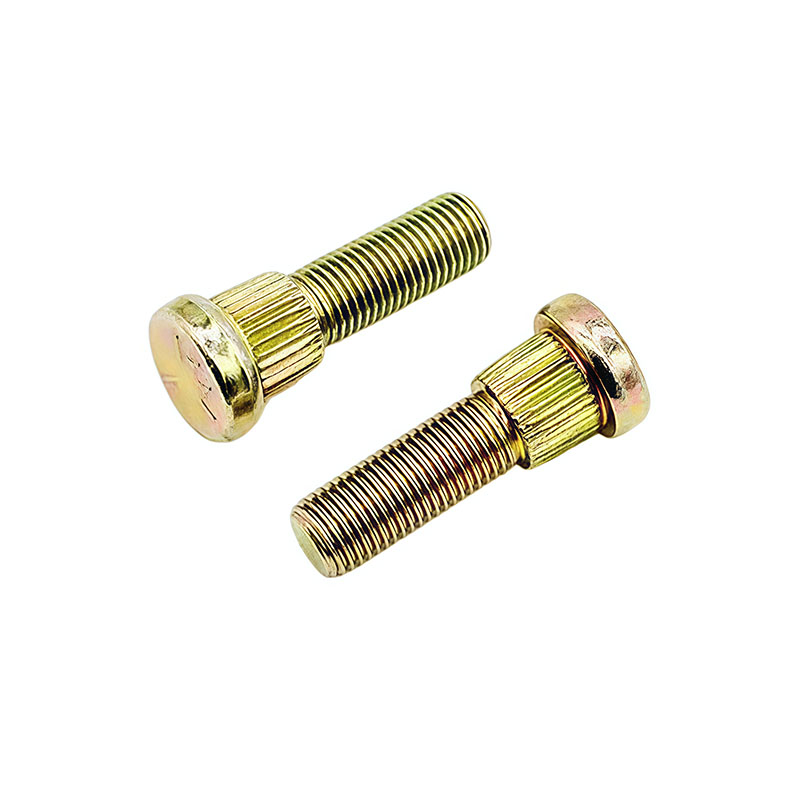


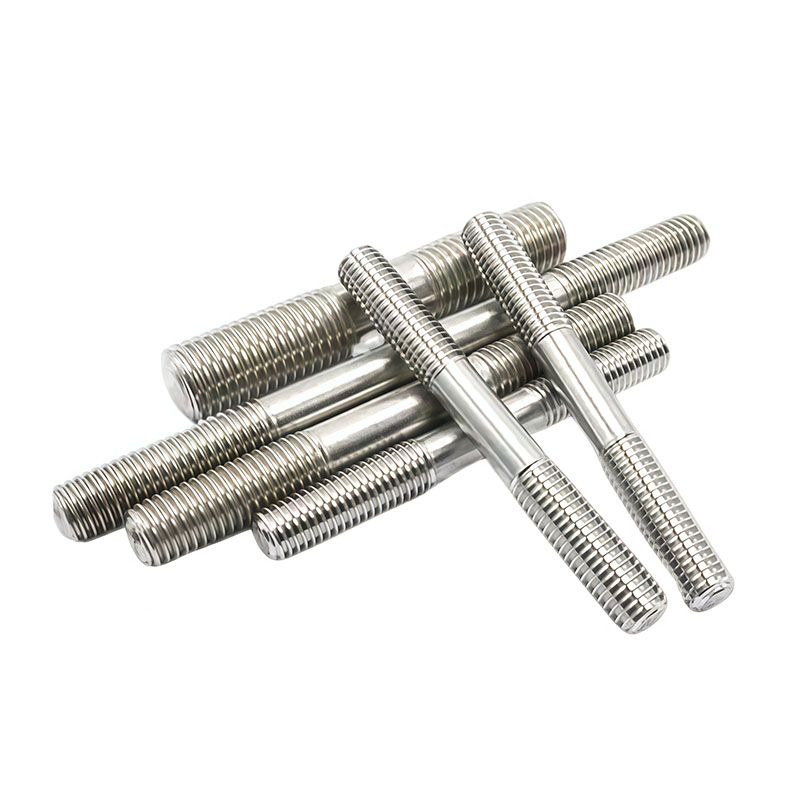
Stainless steel double-ended bolts are stainless steel fasteners with threads at both ends and a smooth shaft in the middle. They are primarily used in equipment requiring frequent disassembly or deep-hole connections. These stainless steel double-ended bolts are particularly common in food processing equipment, pharmaceutical machinery, water treatment facilities, and marine engineering. Ordinary double-ended bolts are prone to rusting and seizing in humid or corrosive environments, making them impossible to remove. However, stainless steel double-ended bolts, thanks to the material's inherent corrosion resistance, can still be easily unscrewed even after long-term use. Whether the screw-in end is embedded in the machine body or the fastening end is locked with a nut, stainless steel double-ended bolts provide a durable and reliable connection.
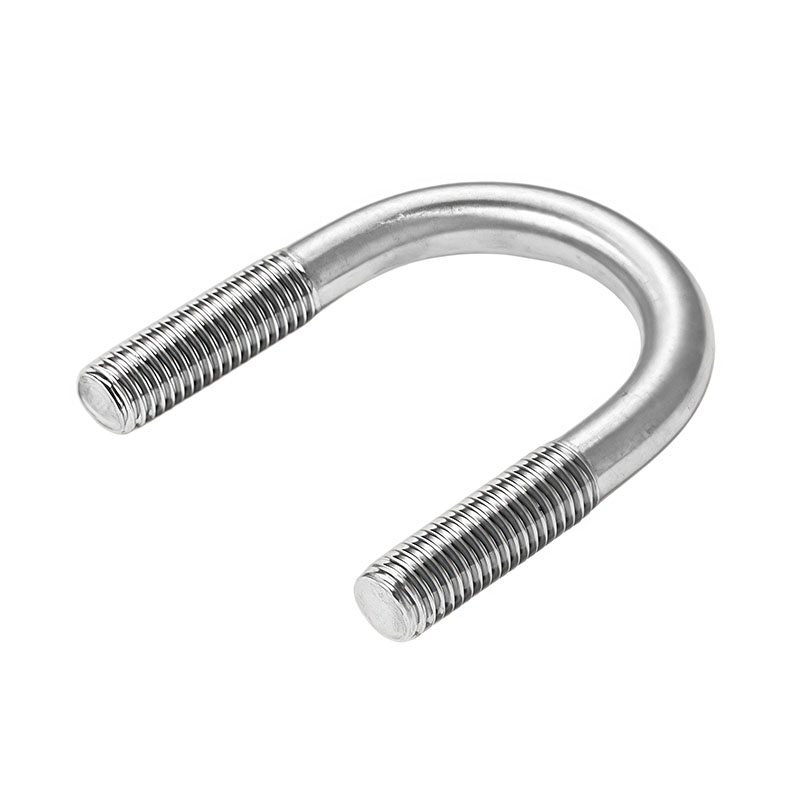
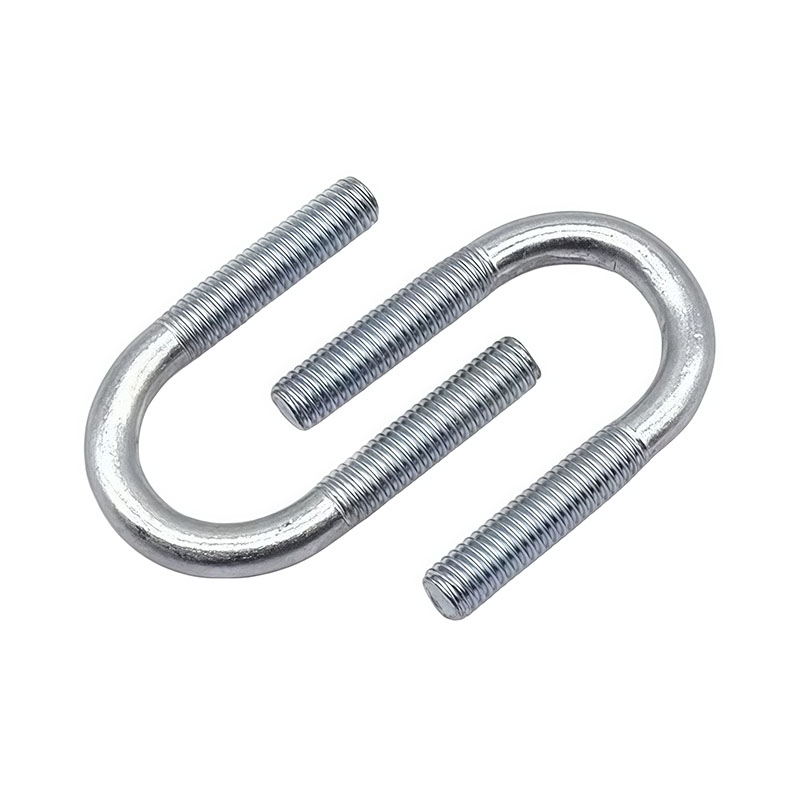
Stainless steel U-bolts are commonly used with clamps to secure pipes, cables, or hoses. These stainless steel U-bolts are widely used in outdoor water supply and drainage pipes, food and beverage delivery lines, marine piping systems, and medical gas pipelines. Ordinary U-bolts will rust within months in humid environments or outdoors, affecting aesthetics and potentially contaminating the media inside the pipes or making disassembly difficult. Stainless steel U-bolts, thanks to the natural rust resistance of stainless steel, can maintain their shine for a long time in humid, wet, and even slightly acidic or alkaline environments.
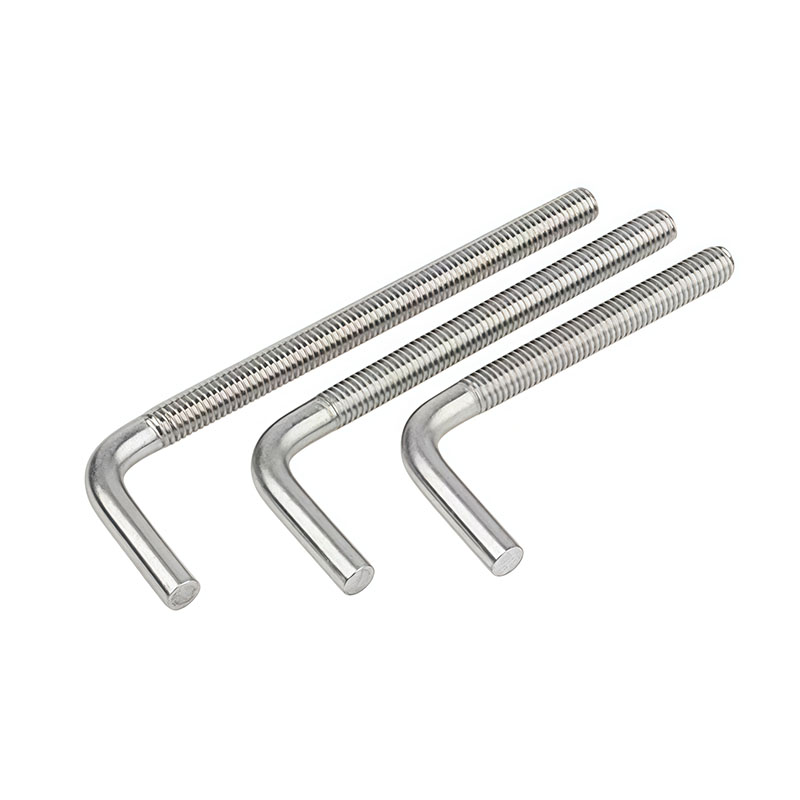
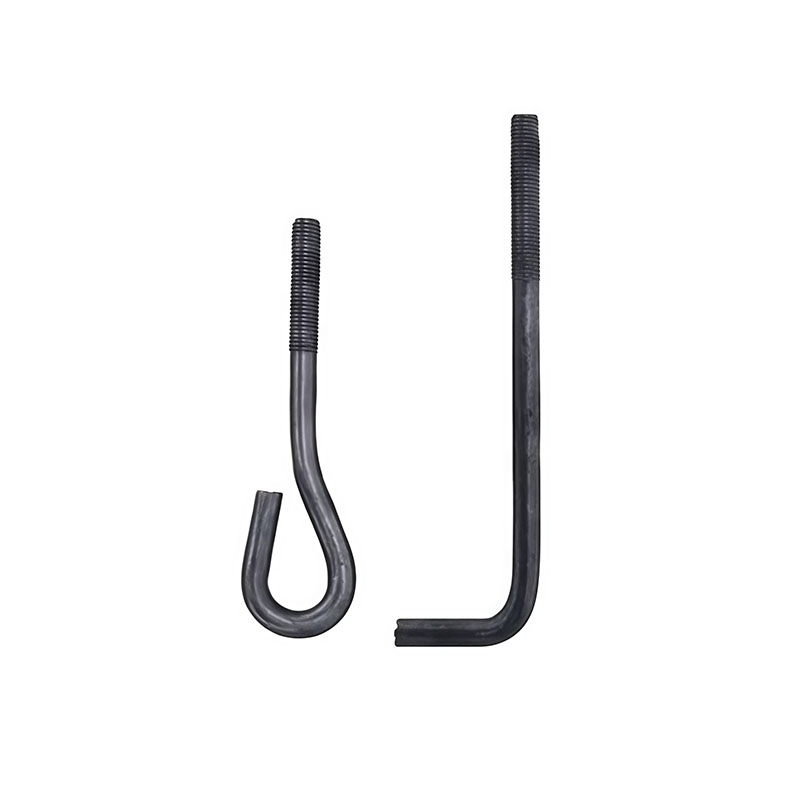
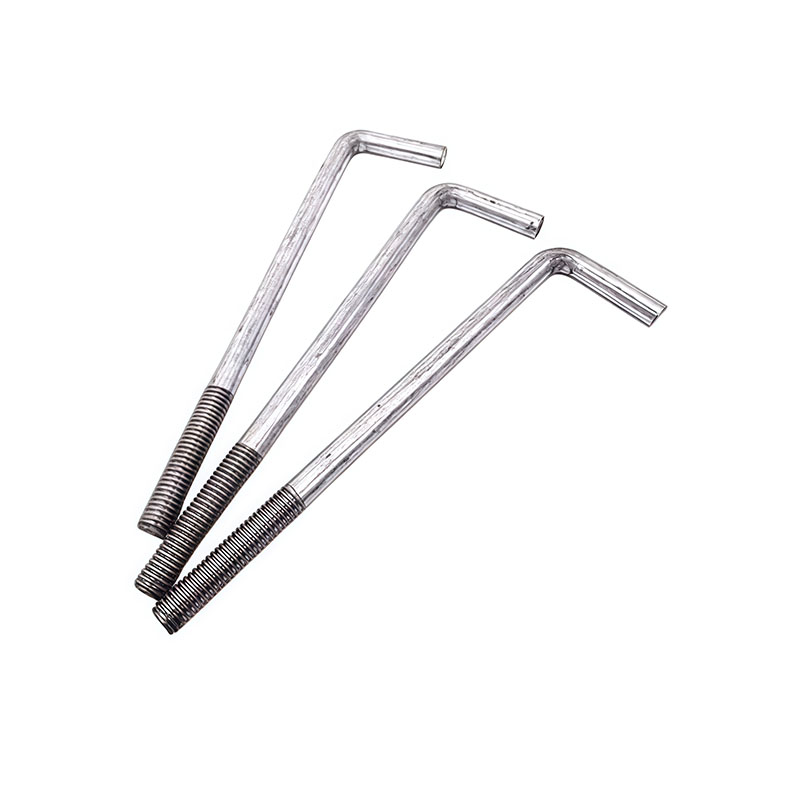
Stainless steel L-bolts are anchor bolts bent at a 90° angle with a threaded end, commonly used for pre-embedding or edge anchoring in concrete foundations. These stainless steel L-bolts are widely used in outdoor railing post foundations, solar water heater brackets, swimming pool equipment fixing, and embedded parts in coastal buildings. Ordinary L-bolts, after being embedded in concrete, are prone to rusting and dripping rust water, staining walls or floors; while stainless steel L-bolts are made entirely of stainless steel, inside and out, and will not rust even after long-term exposure to rain and humid air. For applications requiring high rust prevention, such as landscaping projects, coastal buildings, or food factory flooring, stainless steel L-bolts are ideal embedded fasteners.
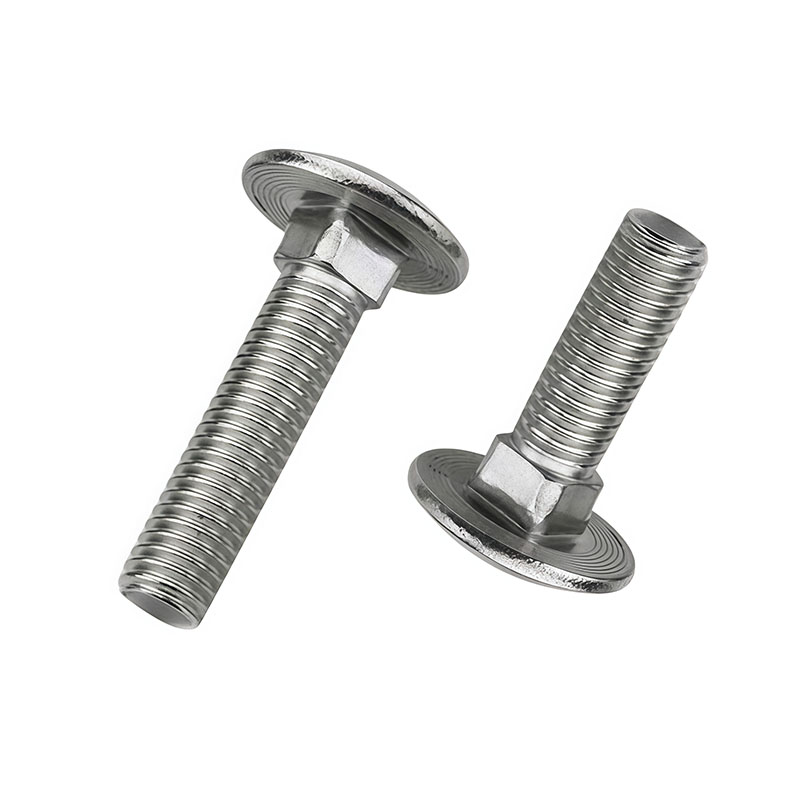
Carriage bolts are widely used in timber structure connections, outdoor furniture, amusement facilities, and construction formwork. When installing carriage bolts, their square necks automatically engage with the square holes in the wood or metal. When tightening the nut, the bolt itself does not rotate, allowing for easy tightening by a single person. Whether it's park benches, wooden railings, or heavy-duty wooden crates, carriage bolts are a convenient choice for connecting wood to wood or wood to metal.
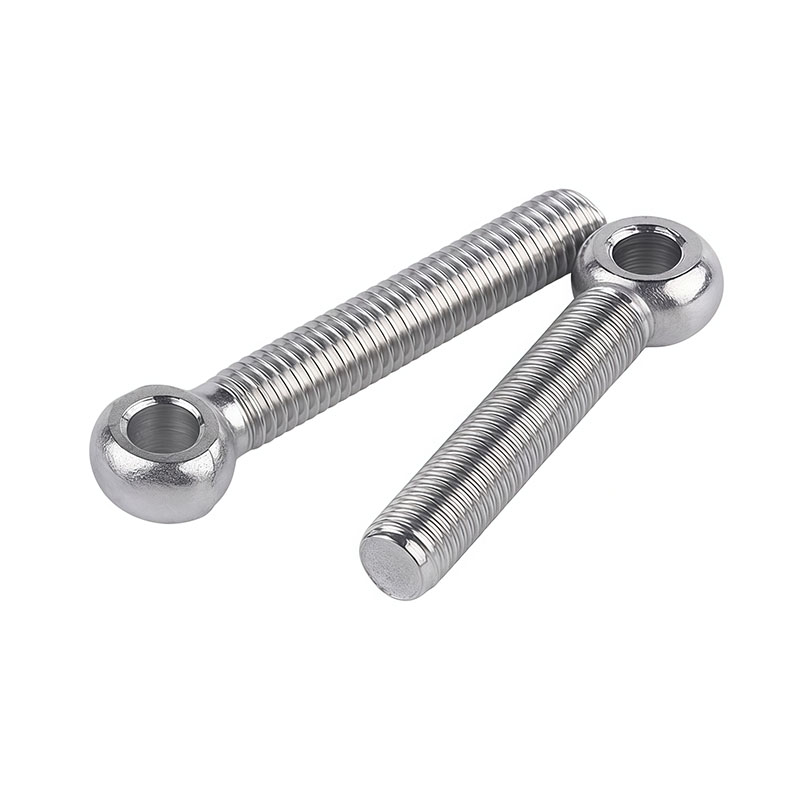
The core function of these eye bolts is to create movable hinged connections, allowing the connected parts to swing or rotate within a certain angle range. Eye bolts play a crucial role in movable connections in agricultural machinery suspension systems, automotive steering linkages, door and window struts, and packaging machinery. Unlike the rigid connections of ordinary bolts, eye bolts, when used with pins, can achieve hinge-like rotational movement while simultaneously withstanding tensile or shear loads.
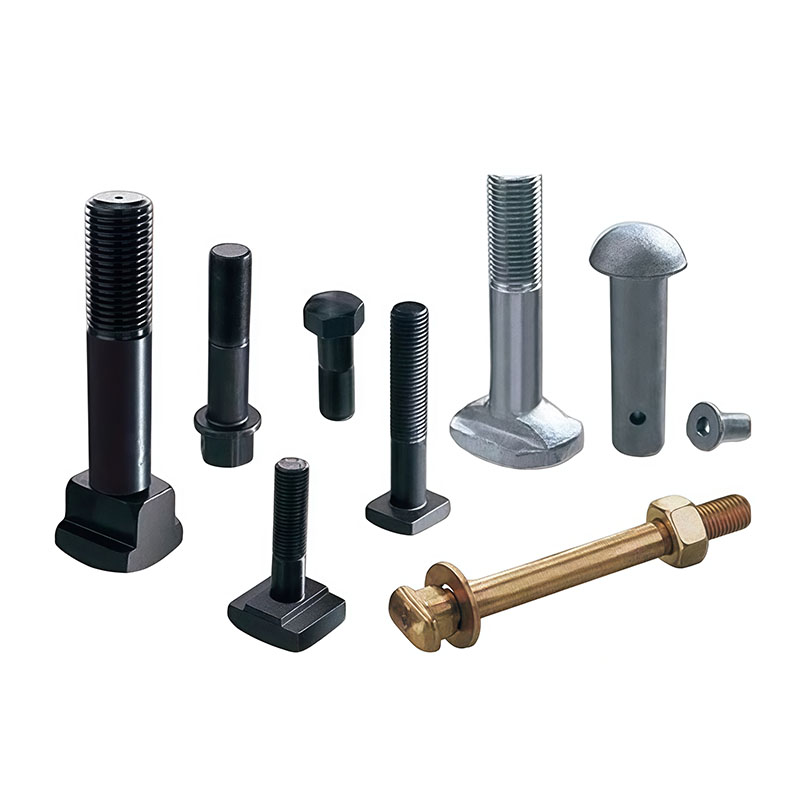
Railway bolts are high-strength, specialized bolts used in railway track systems to connect rails to fasteners and rail-to-rail joints. On railway lines, railway bolts withstand the enormous impacts, vibrations, and tensile forces caused by temperature changes from passing trains. Thousands of railway bolts are needed per kilometer of railway, and their reliability directly affects train safety. Therefore, railway bolts have specific technical requirements, from material selection and heat treatment to surface corrosion protection.