

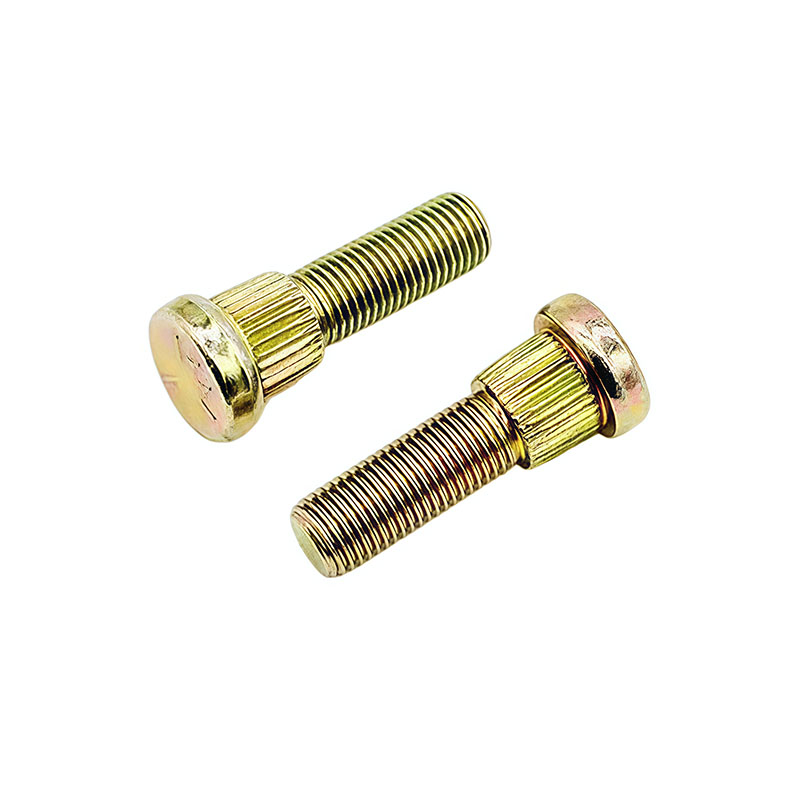
High-strength wheel bolts are critical safety components connecting wheel hubs and rims in automobiles, trucks, buses, construction machinery, and agricultural machinery. A typical set of high-strength wheel bolts usually includes the bolt body and a matching wheel nut, sometimes with a flange or guide cone. Because wheels bear radial loads, lateral forces, braking torques, and road impacts during operation, high-strength wheel bolts must possess extremely high shear resistance, fatigue strength, and anti-loosening properties. In the commercial vehicle and mining vehicle sectors, failure of high-strength wheel bolts can directly lead to wheel detachment and serious accidents; therefore, their manufacturing process often adheres to stricter quality control standards. Furthermore, with the increasing demands for unsprung mass and braking performance in new energy vehicles, high-strength wheel bolts are continuously evolving towards lighter weight and higher corrosion resistance.
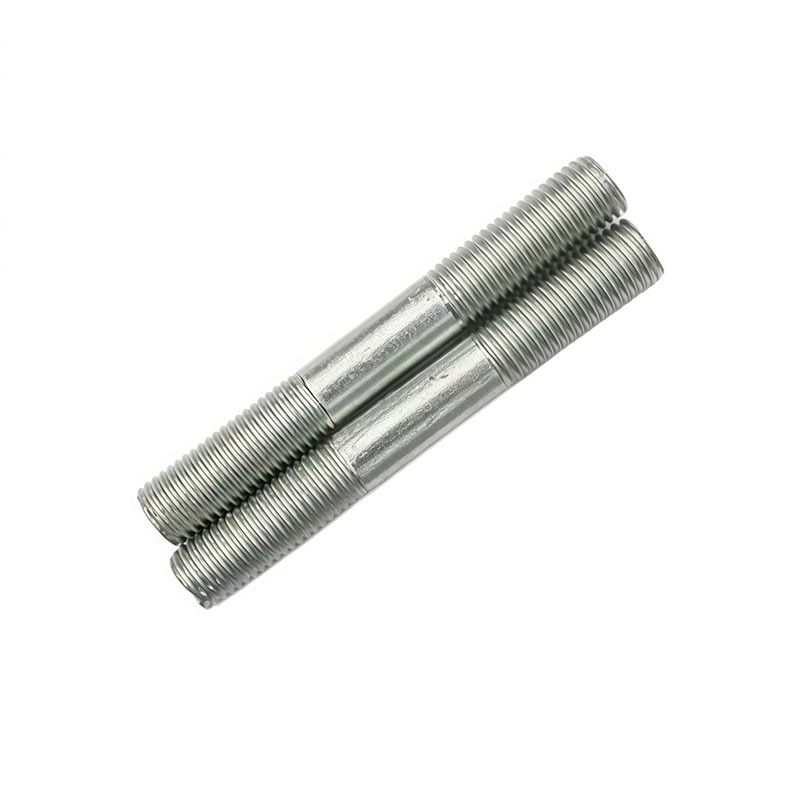
High-Strength Double End Studs are special fasteners with threaded ends and a smooth center. They are designed to solve structural connection problems involving deep holes, confined spaces, or periods of disassembly. These High-Strength Double End Studs are widely used in petrochemical reactors, high-pressure flanges, large diesel engine cylinder heads, compressor housings, and wind turbine gearboxes. Compared to single-ended bolts, High-Strength Double End Studs do not wear down the threads of the base material during disassembly, and can be adapted to different connection thicknesses by adjusting the thread lengths at both ends. Under high-temperature or alternating temperature conditions, High-Strength Double End Studs, when used with special lubricating or heat-insulating gaskets, can effectively control preload decay caused by thermal stress.
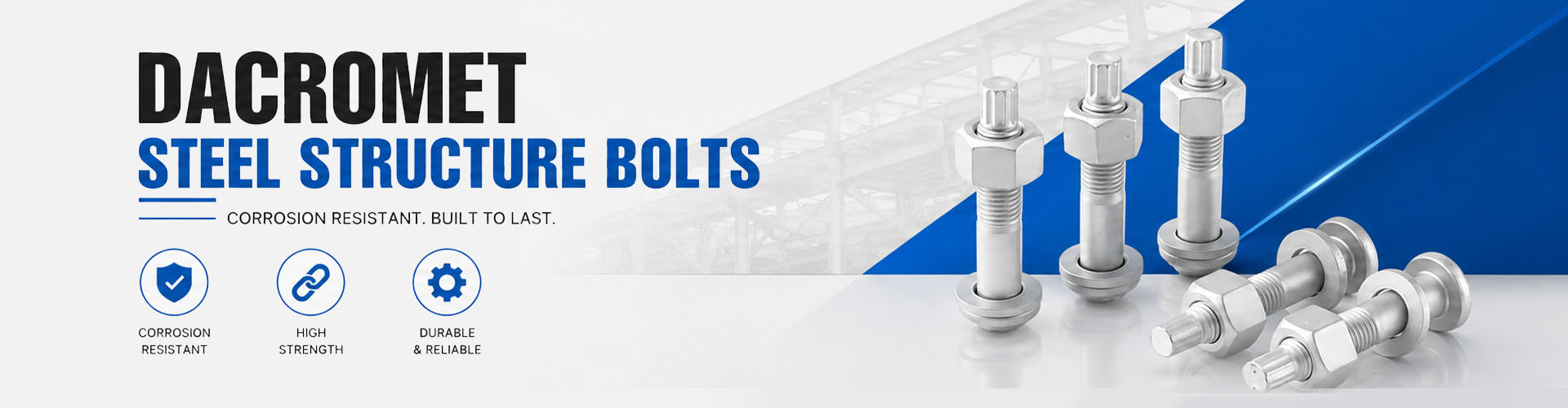
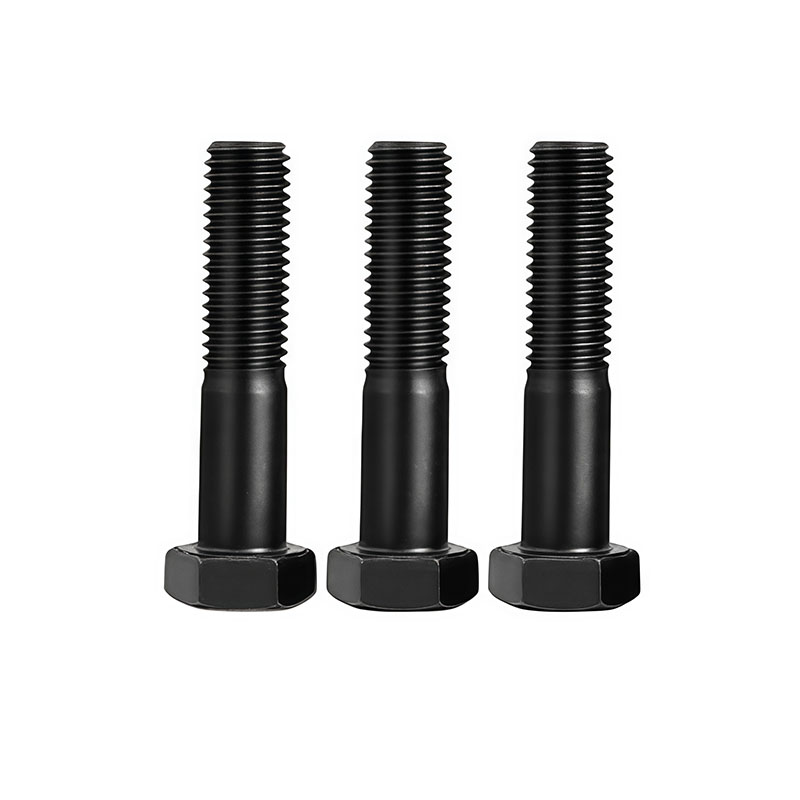
High-Strength Structural Bolts are core fasteners in modern steel structures, bridges, towers, and large equipment foundations. Their primary function in friction-type connections is to generate sufficient friction between layers through high preload to transfer loads. A complete set of High-Strength Structural Bolts typically consists of a bolt, a nut, and two washers (or one washer, depending on the standard). The connection pair must be supplied as a whole to ensure a stable torque coefficient. In high-rise building beam-column joints, stadium trusses, railway bridges, and wind turbine towers, High-Strength Structural Bolts have largely replaced field welding and ordinary bolt connections. Using High-Strength Structural Bolts not only improves installation speed but also gives the structure better ductility and ease of disassembly and maintenance.
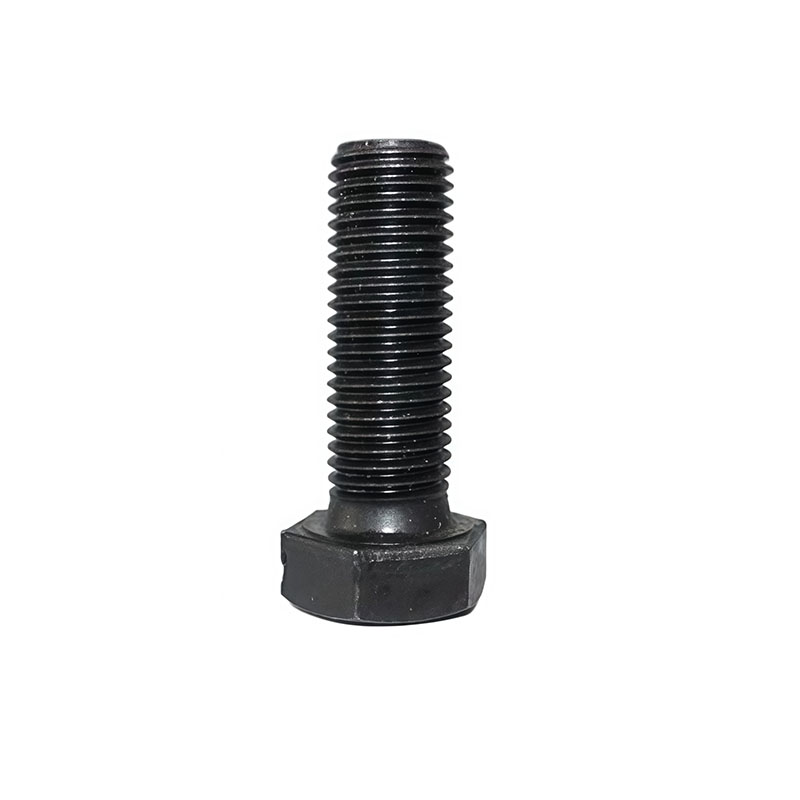
High-strength hex bolts are among the most widely used fasteners in mechanical equipment, heavy structures, and infrastructure. These high-strength hex bolts are manufactured from high-quality alloy steel through rigorous heat treatment (quenching and tempering). They feature a standard hexagonal head, facilitating high-precision, high-torque tightening using open-end wrenches, box wrenches, or socket wrenches. In wind turbine generators, pressure pipeline flanges, metallurgical equipment, and bridge joints, they convert torque into preload, creating a powerful clamping effect on the connection. Compared to ordinary bolts, high-strength hex bolts maintain more stable connection reliability under dynamic and impact loads, making them an irreplaceable fastening solution for many critical components.